Can Ballet Be Feminist?
- GEF

- Jul 26, 2022
- 2 min read
In recent years, the question of whether ballet can be feminist has sparked intriguing discussions within the dance community and beyond.
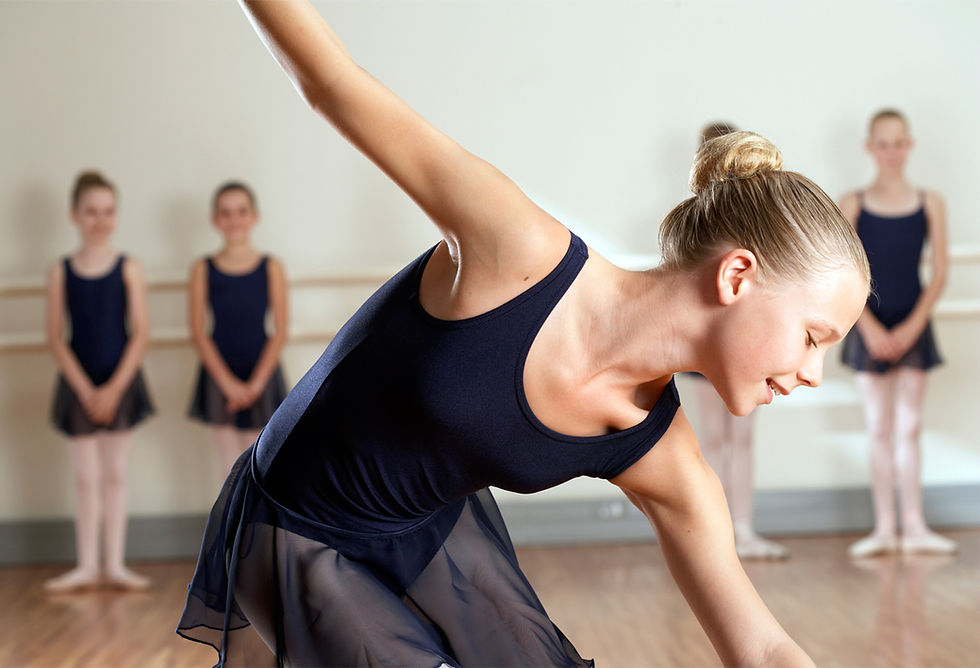
Ballet, with its graceful movements, ethereal costumes, and time-honored traditions, has often been associated with the classical ideals of femininity.
Ballet has the potential to be a platform for empowerment and a celebration of individuality, proving that the intersection of ballet and feminism is not only possible but also transformative.
In this blog, we'll delve into the complexities of ballet and feminism, exploring the ways in which this art form can both challenge and celebrate traditional gender roles.
The Intersection of Ballet and Feminism
Ballet, with its roots in the courts of 17th-century France, initially adhered to strict gender roles. Male dancers were elevated for their strength and athleticism, while female dancers were celebrated for their delicacy and grace. These gendered expectations lingered throughout ballet's history, but today's dancers and choreographers are redefining these norms.
1. Breaking Stereotypes
Feminism in ballet begins with breaking stereotypes. Dancers are pushing boundaries by showcasing their physical strength and athleticism regardless of gender. Men perform graceful adagios, while women execute powerful jumps and turns, challenging preconceived notions of what each gender should be capable of in dance.
2. Choreographing Empowerment
Contemporary choreographers are creating pieces that highlight themes of empowerment and equality. Dances that explore the struggles and triumphs of women, from historical figures to modern heroines, emphasize the resilience and strength of the female experience.
3. Inclusivity and Body Positivity
The ballet world is also striving to become more inclusive and body-positive. Dancers of all body types and backgrounds are finding a place in ballet, dispelling the notion that only a certain body shape can embody beauty and grace. This shift toward inclusivity aligns with feminist ideals of celebrating individuality.
4. Female Choreographers and Leadership
Feminism in ballet extends to leadership roles. Female choreographers, directors, and ballet mistresses are increasingly shaping the direction of ballet companies. Their perspectives bring fresh narratives and a feminist lens to the art form.
5. Tackling Historical Repertoire
Ballet's historical repertoire often reflects the gender norms of its time. Today, dancers and choreographers are revisiting these works with a critical eye, reinterpreting them to reflect modern values of gender equality and respect.
Conclusion
Can ballet be feminist? Absolutely. While ballet has a complex history rooted in traditional gender roles, it is evolving to embrace feminist ideals of equality, empowerment, and self-expression. Dancers and choreographers are challenging stereotypes, creating powerful narratives, and advocating for inclusivity and body positivity within the art form.
Feminism in ballet doesn't seek to diminish the elegance and beauty of this art but rather to expand its horizons, making it a space where all dancers can express themselves authentically. Ballet has the potential to be a platform for empowerment and a celebration of individuality, proving that the intersection of ballet and feminism is not only possible but also transformative. As the dance world continues to evolve, we can look forward to a future where ballet stands as a symbol of artistic freedom and gender equality.


Comments